

5 Best Tips: Roof Inspection Before Hurricane Season (2026)
Hurricane season in Florida officially runs from June 1st to November 30th. When the first major storm of the year appears in the Gulf, the last thing you want to be worrying about is whether your roof will hold up. Preventative maintenance is the key to protecting your home, and it all starts with a thorough roof inspection before hurricane season.
At Gravity Roofing, we see the same preventable damage year after year. To help you stay ahead of the severe weather, we have put together the ultimate guide on conducting a roof inspection before hurricane winds and rains threaten your Central Florida home.
How often should you inspect your roof?
In Florida, you should perform a roof inspection before hurricane season begins in the spring, and once in the late fall after the storm season ends. You should also schedule a professional inspection immediately following any major severe weather event involving high winds or hail.
Your Checklist for a Roof Inspection Before Hurricane Season
While we always recommend a professional roof inspection before hurricane season for safety and accuracy, there are several things you can check yourself from the ground using a good pair of binoculars. Here is what to look for during your roof inspection before hurricane conditions arrive:
1. Check for Missing or Damaged Shingles
Look closely at the surface of your roof. Are there any bald spots where shingles are missing? Do you see shingles that are cracked, curling at the edges, or blistering? In high winds, a compromised shingle can easily be torn off, exposing your roof deck to water intrusion. Spotting these during your roof inspection before hurricane season is critical.
2. Inspect Roof Valleys and Flashing
The metal flashing around your chimney, skylights, and roof valleys (where two slopes meet) are the most common areas for leaks. Ensure the metal is not rusted, dented, or lifting away from the roof. This is a vital step in any roof inspection before hurricane rains start.
3. Clear Your Gutters and Downspouts
During a heavy Florida downpour, water needs a clear path off your roof. If your gutters are clogged with leaves and debris, water can back up under your shingles, causing the roof deck and fascia boards to rot. For more on storm preparation, you can read Ready.gov’s hurricane preparedness guide.
4. Look for Granule Loss
Check inside your gutters and at the bottom of your downspouts. If you see a heavy accumulation of what looks like coarse black sand, your asphalt shingles are losing their protective granules. This is a major sign that your roof is aging and may be susceptible to UV and wind damage, a key finding during a roof inspection before hurricane season.
5. Check the Attic for Leaks
Grab a flashlight and head into your attic during the day. Look for beams of sunlight coming through the roof boards. Also, check for dark water stains, damp insulation, or the smell of mold—these are clear indicators of an active leak that must be addressed during your roof inspection before hurricane season.
Leave It to the Central Florida Experts
“If you’re unsure, it’s better to check than wait,” advises Taz Crumpler, President of Gravity Roofing. Climbing on a roof is dangerous, and missing a small issue now can lead to thousands of dollars in emergency repairs later.
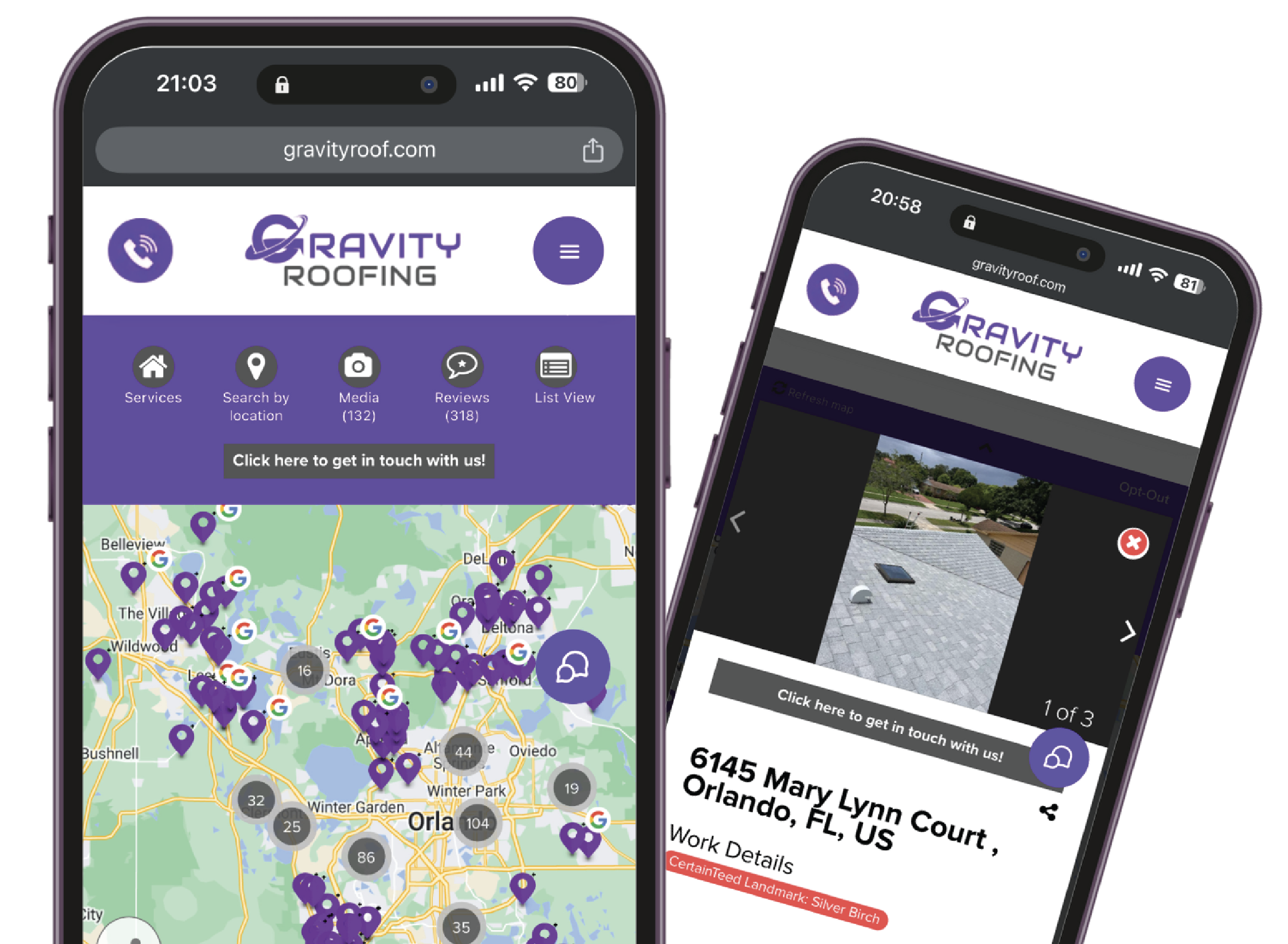
Let the professionals handle your roof inspection before hurricane season. Our Central Florida inspection team provides thorough, honest, and completely free roof inspections. We will check every inch of your roof, document our findings with photos, and give you the peace of mind you need before the next storm hits.
Contact Gravity Roofing today to book your free, no-obligation roof inspection or get an instant online roof estimate. Call us at (407) 461-0234 or visit us at 14 S Bumby Ave, Orlando, FL 32803.