
3 Ultimate Facts: What is Roof Flashing & Why It Leaks (2026)
When homeowners in Central Florida discover a water stain on their ceiling, they usually blame their shingles. However, more often than not, the shingles are perfectly fine. The real culprit is usually a small, unseen piece of metal. If you are dealing with a persistent leak and your contractor mentions this term, you are probably wondering: what is roof flashing?
At Gravity Roofing, we spend a significant amount of time repairing and replacing this critical component. Understanding how it works can help you catch leaks before they cause major structural damage to your home.
What is roof flashing?
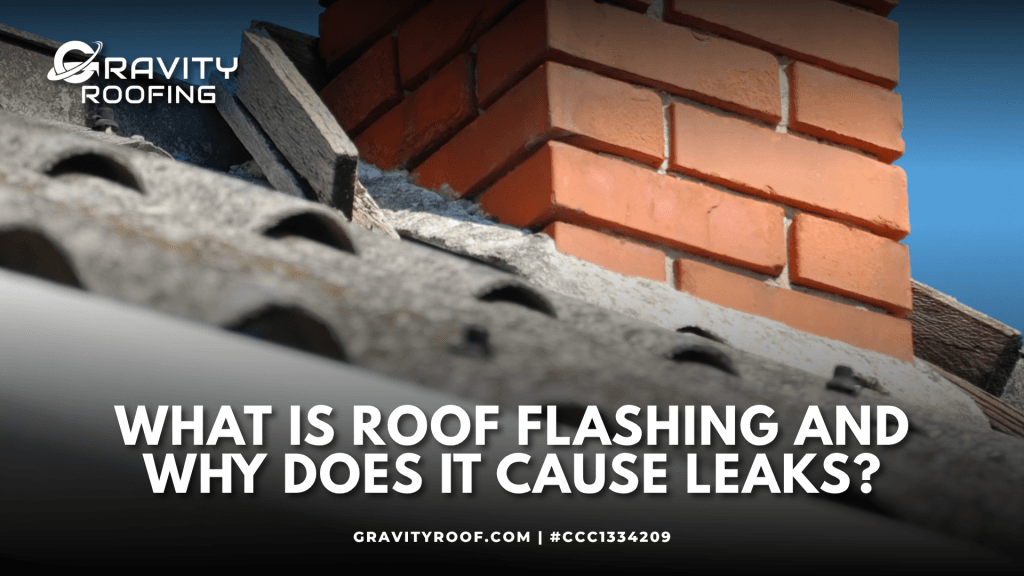
What is roof flashing? Roof flashing is a thin piece of metal—usually aluminum, copper, or galvanized steel—installed at the joints, valleys, and edges of a roof to direct water away from critical areas. It seals the gaps around chimneys, skylights, and vents to prevent water intrusion.
3 Reasons Why Roof Flashing Causes Leaks
Now that you know what is roof flashing, you need to understand why it is the most common source of roof leaks in Florida. The joints of your roof are the weakest points, and the flashing is the only thing standing between a heavy downpour and your living room ceiling. Here are three reasons it fails:
1. Severe Weather and Wind Damage
Florida’s hurricane season is brutal on roofing materials. High winds can lift the edges of the flashing, breaking the waterproof seal. Once the wind gets underneath, it can bend or tear the metal entirely. If you are asking what is roof flashing damage, it often looks like bent or missing metal around your roof vents after a major storm.
2. Rust and Corrosion Over Time
While high-quality flashing is designed to resist rust, Central Florida’s extreme humidity and salty coastal air can eventually cause galvanized steel to corrode. When the metal rusts through, it creates tiny holes that allow water to seep directly into your attic. This slow, hidden leak can cause extensive wood rot and mold before you ever see a water stain inside your home.
3. Poor Installation and Sealant Failure
The most frustrating answer to what is roof flashing failure is simply bad workmanship. Flashing must be meticulously layered with the shingles and sealed with high-grade roofing cement. If a previous contractor took shortcuts, nailed it incorrectly, or used cheap sealant that dried out and cracked in the Florida sun, water will easily bypass the metal and enter your home. For more on building standards, you can check the Florida Building Commission.
When Should Roof Flashing Be Repaired or Replaced?
Roof flashing should be inspected if you notice water stains on your ceiling, loose or missing shingles around roof penetrations, rusted metal, or visible gaps near chimneys, skylights, and vents. Addressing flashing problems early can prevent expensive water damage, mold growth, and structural repairs. A professional roof inspection can determine whether the flashing needs a simple repair or a complete replacement.
How Gravity Roofing Protects Your Home
“A roof is only as strong as its weakest joint,” says Taz Crumpler, President of Gravity Roofing. “That is why we never reuse old flashing during a roof replacement. We install brand-new, premium metal flashing on every job to ensure a watertight seal.”
If you have noticed a leak near your chimney, skylight, or where two roof slopes meet, do not wait for the next storm. Our Central Florida inspection team will thoroughly examine your roof, explain exactly what is roof flashing on your specific home, and provide a transparent estimate for repair or replacement.
Stop leaks at the source. Contact Gravity Roofing today to book your free, no-obligation roof inspection or get an instant online roof estimate. Call us at (407) 461-0234 or visit us at 14 S Bumby Ave, Orlando, FL 32803.