
Gravity Roofing
Residential Roof Coating for Central Florida Homes
Most Central Florida homes have a pitched roof covered in shingles, tile or metal. But plenty of them also have a section that sits much flatter: the roof over a back porch, a converted garage, a family-room addition or a screened lanai. Those low areas take a beating from our sun and our afternoon storms, and they’re often the first place a leak shows up.
A roof coating is one way to protect those sections and get more life out of them. It isn’t the right answer for every roof, so this page walks through what a coating does, where it works on a home, and when replacing the roof makes more sense. It’s not rocket science, just really good roofing.
01
What a Roof Coating Actually Is
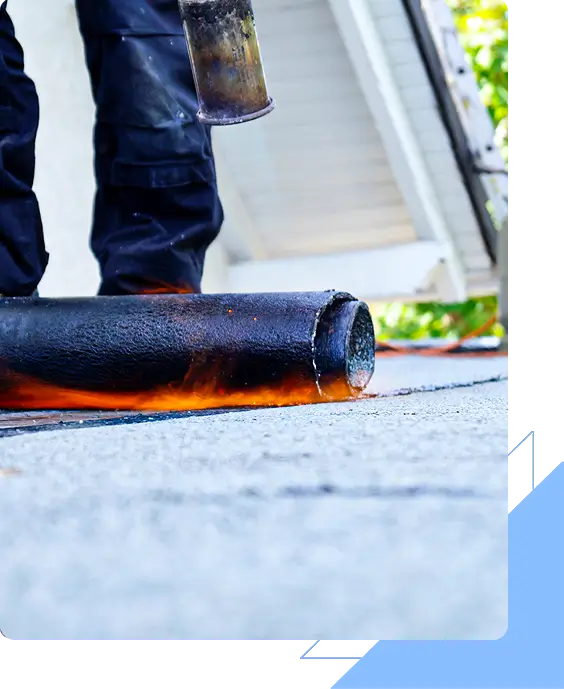
A roof coating is a liquid-applied layer that’s rolled or sprayed over an existing low-slope roof surface. Once it cures, it forms a continuous, seamless skin over the roof. Good coatings are built to stay flexible as the roof heats up and cools down, to resist ultraviolet light, and to shed water.
A coating isn’t a new roof. It’s a protective layer that helps a sound roof last longer.
Where Coatings Work on a Home
On residential properties, we look at coatings for the flatter parts of the house, including:
- Porch and patio roofs that tie into the main roof at a lower pitch
- Home additions where the builder used a low-slope roof to keep the addition under the existing roofline
- Attached or converted garages with a flatter roof than the rest of the house
- Lanai and covered outdoor living roofs
- Larger flat sections on mid-century or modern-style homes
Coating a steep shingle roof is a different conversation; see can you paint a shingle roof.
Why the Florida Sun and Heat Matter
Summer sun heats low-slope roofs for hours, then an afternoon thunderstorm cools them fast. That daily cycle makes materials expand and contract, and over time the surface can dry out, crack or blister.
A reflective coating helps in a few ways:
- It reflects sunlight instead of absorbing it, so the roof surface runs cooler. That can make the room under a porch or addition more comfortable.
- It shields the roof below from UV, which is one of the biggest causes of aging on a low-slope surface.
- It seals small surface wear like hairline cracks and worn areas, so water has fewer ways in.
Gravity Roofing LLC
Coating vs. Replacement: Which Makes Sense?
This is the question most homeowners really want answered. Here’s how we think about it.
A coating may make sense when:
- The roof is aging but still structurally sound
- The roof deck underneath is dry and solid
- Problems are mostly surface wear, such as fading, minor cracking or worn granules
- Water drains off the roof and doesn’t sit in low spots for long
- You want to extend the life of the roof without a full tear-off right now
Replacement is usually the better call when:
- There’s trapped moisture or wet insulation under the surface
- The roof deck is soft, rotted or sagging
- There are active leaks in several places or recurring leaks that keep coming back
- Water ponds in the same spots after every storm because of a drainage problem
- The existing roof has reached the end of its useful life
Putting a coating over a wet or failing roof just hides the problem for a while. That’s why we never recommend a coating without looking at the roof first. If replacement is the smarter move, we’ll tell you, and we can talk through options like TPO roofing or the other systems on our flat roofing page. For a broader look at the decision, read our guide on roof repair vs. replacement.
How We Approach a Coating Project
- Assessment of the surface, drainage, flashing and transitions to the main roof, where many leaks start.
- Honest recommendation: coating, repair or replacement, and why.
- Preparation: cleaning, repairs, and seam and flashing details.
- Application at the right thickness, with extra care at seams and edges.
Keeping a Coated Roof in Good Shape
Keep drains clear, trim overhanging branches and check the roof after big storms. Our roof maintenance guide has a simple routine, and our roof inspection service is there when you want a professional set of eyes on it.
TESTIMONIALS
WHAT OUR CLIENTS SAYS?
Gravity Roofing
Frequently Asked Questions
Can a roof coating stop a leak?
A coating can seal minor surface wear that lets water in, but it isn’t a fix for every leak. If water is getting in through failed flashing, a damaged deck or a drainage problem, that needs to be repaired first. We find the source before recommending anything.
Can you coat a shingle roof?
Coatings are mainly designed for flat and low-slope roof surfaces. Shingle roofs rely on pitch and overlapping shingles to shed water, so coating them is a different decision with different trade-offs. We’ll walk you through what makes sense for your roof.
Will a reflective coating help keep my home cooler?
A reflective coating helps the roof surface absorb less heat, which can make rooms directly under a porch roof or addition more comfortable.
How do I know if my roof is a good candidate for coating?
Good candidates are sound roofs with a dry deck, decent drainage and mostly surface-level wear. The only way to know for sure is to have the roof assessed, which is why we start every coating conversation with a look at the roof.
Get a Free Roof Assessment
Not sure whether your porch, addition or flat section needs a coating, a repair or a new roof? We’ll take a look and give you a straight answer. Your Roof, Our Mission.
Schedule your free roof assessment or call us at (407) 461-0234. Gravity Roofing, 14 S Bumby Ave, Orlando.