

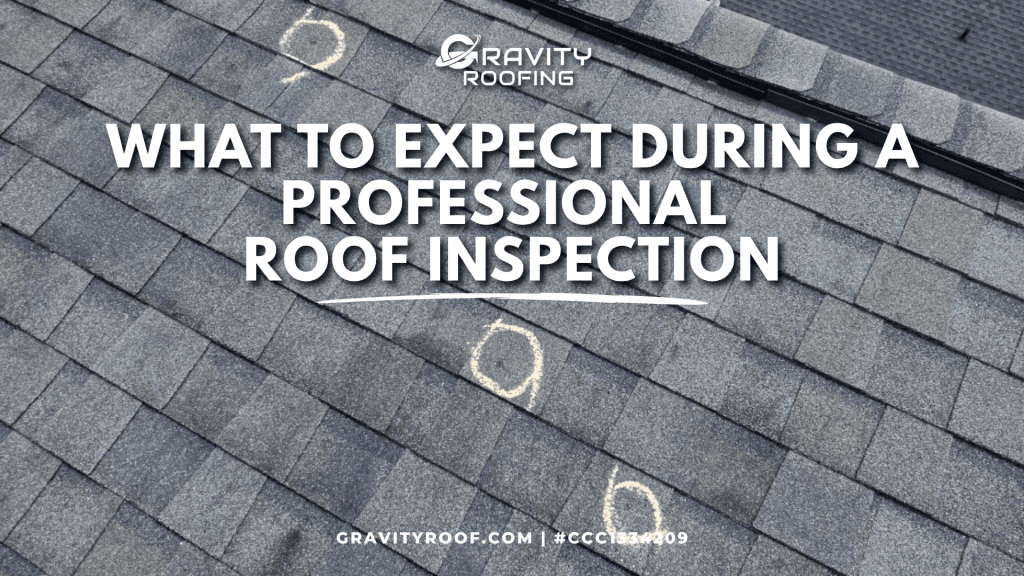
Professional roof inspection. A professional roof inspection is a fact-finding process designed to evaluate observable roof conditions safely. It should help you understand what the roofer checked, what was found, and whether any next step is recommended.
TL;DR: A professional roof inspection is a fact-finding appointment. The roofer listens to your concerns, evaluates the roof system and related exterior details when conditions permit, documents observed conditions, and explains the findings in plain language. An inspection may identify a repair need, confirm that no obvious concern was found, or show that further evaluation is appropriate. It does not automatically mean you need a new roof, prove insurance coverage, or guarantee that a roof will never leak. To schedule Gravity Roofing’s free inspection, book online or call (407) 461-0234.
Last reviewed: August 2026
For many Central Florida homeowners, the most stressful part of a roof concern is not the rain, wind, or hail itself. It is the uncertainty: What will the roofer find? Will someone pressure me into a replacement? Do I need to know roofing terms before the appointment?
You do not. A good roof inspection should be calm, clear, and useful. Its purpose is to help you understand the roof’s observable condition and your practical next steps.
Professional Roof Inspection: 7 Things to Expect
During a professional roof inspection, the goal is to document observable conditions and explain them clearly—not to pressure a homeowner into a predetermined outcome.
What happens during a professional roof inspection?
A professional roof inspection generally follows a simple sequence. The precise scope depends on the roof type, size, slope, access, weather, safety conditions, and the concern that prompted the visit.
| Step | What to expect | Why it matters |
|---|---|---|
| 1. Conversation | The inspector asks what you noticed: recent storms, a leak, ceiling stains, debris impact, aging concerns, prior repairs, or a request for a seasonal check. | Your observations help direct attention to relevant areas. |
| 2. Ground-level exterior review | The inspector observes the roofline, gutters, downspouts, exterior walls, vents, flashing areas, visible debris, and related details. | This provides context before any safe roof-level assessment. |
| 3. Roof-system assessment | When conditions and access permit, the professional evaluates visible roofing materials and key transitions. | Some conditions are not clear from the ground. |
| 4. Interior or attic discussion, when appropriate | If you have an interior stain, active leak, or accessible attic concern, the inspector may ask to see it. | Interior clues can help connect the homeowner’s concern to the broader assessment. |
| 5. Documentation | The inspector may take photographs and record observations. | Clear records make the findings easier to understand and retain. |
| 6. Findings and next steps | The inspector explains what was observed, what it may mean, and whether monitoring, maintenance, a repair discussion, or another step makes sense. | You should leave with information, not pressure. |
A professional roof inspection is not a test you must prepare for. The most helpful thing you can do is tell the inspector what you noticed and when you noticed it.
Why professionals inspect the roof instead of homeowners
After a storm, homeowners can make useful observations from inside the home and from the ground. They should not climb onto the roof, use a ladder around a damaged area, or try to move roofing materials for a closer look.
CertainTeed advises homeowners to limit their own roof review to a visual ground-level inspection and leave roof-level inspections to trained professionals because a damaged roof can present slip and fall hazards.[1] This is especially important after high wind, rain, hail, debris impact, or a hurricane.
The professional’s role is not to create fear. It is to safely evaluate conditions that may be hard to see from below, explain the findings, and help the homeowner decide what—if anything—should happen next.
What does a roofer look for during an inspection?
A roof is a system, not just a field of shingles or tiles. The scope of any inspection varies, but a professional may look at the visible condition of several related areas.
| Area | Examples of what may be observed |
|---|---|
| Roofing surface | Missing, lifted, cracked, curled, displaced, worn, or otherwise visibly affected materials. |
| Roof transitions | Flashing and seals around vents, skylights, chimneys, walls, valleys, ridges, and other vulnerable intersections. |
| Drainage details | Gutters, downspouts, drainage paths, granules or debris, and signs that water may not be moving as intended. |
| Penetrations and accessories | Plumbing vents, exhaust vents, roof jacks, and related components that interrupt the roof surface. |
| Edges and attachments | Roof edges, ridge caps, fascia-adjacent areas, and visible signs of wind or debris impact. |
| Interior clues, when appropriate | Ceiling stains, damp areas, bubbling paint, attic observations, or other signs the homeowner has identified. |
An inspection is based on observable conditions. A professional should not claim certainty about something that cannot be seen or accessed safely. Likewise, a visible issue may require additional evaluation before anyone can responsibly recommend a particular repair scope.
Do I need to be home for the inspection?
Your availability can be helpful, particularly if you want to point out interior stains, explain a past leak, provide access to a specific area, or ask questions when the findings are reviewed. However, appointment requirements can vary by property access, roof conditions, and the scope of the visit.
When scheduling, tell Gravity Roofing whether there are gates, pets, parking limitations, recent interior signs, or other access considerations. The team can explain what access is needed for your specific appointment.
How long does a roof inspection take?
There is no one-size-fits-all inspection length. Time can vary with the roof’s size, pitch, number of levels, accessibility, weather, material type, storm conditions, visible concerns, and whether interior observations are part of the appointment.
The goal should be a thorough, safe assessment—not rushing to fit a predetermined number of minutes. If a roof cannot be safely accessed because of weather or surface conditions, the professional may need to adjust the inspection approach or discuss a follow-up.
Will the roofer need to go inside my home or attic?
Not every roof inspection requires interior or attic access. If you have an active leak, water stain, damp drywall, bubbling paint, or a concern in a particular room, it can be useful to show the inspector. If attic access is safe, practical, and relevant, the inspector may ask whether it is available.
You should always understand why access is being requested. A professional should respect your property, explain the purpose of the inspection step, and work within safe and practical boundaries.
What happens after the inspection?
A clear inspection follow-up should separate facts from assumptions. You should understand what was observed, what was not observed, and what the professional recommends next.
| Possible finding | Appropriate next step |
|---|---|
| No obvious storm-related concern observed | Keep the result for your records and continue normal roof maintenance and monitoring. |
| A minor or localized concern | Discuss whether a targeted repair, maintenance item, or monitoring plan makes sense. |
| Condition that may allow water intrusion | Discuss appropriate temporary protection or a repair plan, based on safety and the observed condition. |
| More extensive visible damage | Review the recommended scope, ask questions, and take time to understand the options. |
| Interior symptom without a clearly visible roof source | Additional evaluation may be appropriate; not every interior moisture sign has the same source. |
Gravity Roofing can provide roof observations, photographs, repair recommendations, and an estimate for work it proposes. It does not interpret insurance policies, decide coverage, negotiate claims, act as a public adjuster, or guarantee a repair or insurance outcome.
Does a roof inspection mean I need a new roof?
No. An inspection is not a replacement recommendation. It may show that the roof appears to be in good condition, that a small repair or maintenance item deserves attention, or that more extensive work should be discussed. The appropriate next step depends on the observed condition, roof age and history, materials, safety, and the homeowner’s goals.
A free inspection should give you facts and options. You should never feel pressured to make a same-day decision simply because someone inspected the roof.
Can an inspection help with insurance documentation?
A professional inspection can provide roof-specific observations, photographs, and repair documentation that may be useful to keep with your records. Florida’s Department of Financial Services encourages homeowners to document visible damage and retain receipts for professional work after a disaster.[2]
However, an inspection does not prove the cause of loss, establish coverage, or guarantee payment. For policy and claim questions, contact your insurer or agent directly. For a homeowner-friendly documentation workflow, read How to Document Storm Damage for an Insurance Claim once Blog 10 is published.
How to prepare for a roof inspection without climbing on the roof
You do not need to inspect the roof yourself before the appointment. Instead, make a short note of what you have observed from safe locations:
- When the storm, leak, or concern occurred.
- Where you noticed a stain, drip, sound, or exterior issue.
- Whether the concern appears only during rain, after wind, or at another time.
- Any prior roof repairs, inspection reports, or relevant photos you already have.
- Whether there are gates, pets, or access details the inspector should know.
That is enough. A short, factual record helps the roofer understand your concern without asking you to take an unnecessary risk.
Protect your home. Protect your peace. A professional roof inspection should leave you with clear facts, not pressure. Book your free roof inspection or call (407) 461-0234 to schedule a calm, straightforward assessment for your Central Florida home.
If you are ready for a professional roof inspection, Gravity Roofing can assess the roof and explain its findings in plain language.
Frequently Asked Questions
What happens during a professional roof inspection?
The roofer discusses your concerns, performs a safe exterior and roof-system assessment when conditions allow, may review relevant interior signs, documents observations, and explains the findings and practical next steps. The exact scope depends on the property, weather, access, roof type, and concern.
What does a roofer look for during an inspection?
A roofer may observe visible roofing materials, flashing, transitions, valleys, ridges, vents, roof edges, gutters, downspouts, drainage-related details, debris impact, and interior clues you identify. The inspection scope varies by the roof and safety conditions.
Do I need to be home for a roof inspection?
Being available can help if you want to show interior concerns, explain roof history, provide access, or ask questions. Appointment requirements vary, so tell the team about gates, pets, access limitations, or interior symptoms when you schedule.
How long does a roof inspection take?
Inspection time varies with roof size, pitch, number of levels, material type, accessibility, weather, safety conditions, and the concern being evaluated. A careful inspection should prioritize safe and useful findings rather than a fixed time limit.
Will the roofer need to go inside my home or attic?
Not always. If you have a leak, ceiling stain, or other interior concern, the roofer may ask to see it. Attic access may be useful in some situations if it is safe, practical, and relevant. The inspector should explain why any access is requested.
Will a roof inspection tell me if I need a new roof?
An inspection may identify no obvious concern, a localized repair need, a maintenance item, or a condition that warrants a broader repair discussion. It does not automatically mean a new roof is needed, and it should not pressure you into a same-day decision.
Does a roof inspection help with an insurance claim?
An inspection can provide roof-specific observations, photos, and repair documentation that may be useful to retain. It does not determine coverage, prove cause of loss, negotiate a claim, or guarantee payment. Contact your insurer or agent for individual policy and claim questions.
Is a roof inspection free with Gravity Roofing?
Gravity Roofing offers free roof inspections for homeowners in its Central Florida service area. The appointment is designed to provide clear observations and practical next steps. Call (407) 461-0234 or book online to confirm availability for your property.